How did you get your start in the industry?
I was born in New York and grew up on Long Island, where I was drawn to arts and crafts early on. I studied textile design at the Fashion Institute of Technology, then spent two years working in India for their Ministry of Textiles before beginning my career in New York’s textile industry, working with major brands such as Diane von Furstenberg and Waverly. Twenty years ago I founded Talianna Studio in Delhi, where my team and I have spent two decades blending technology with ancient craft techniques in pursuit of creating beautiful products.

JR Artisan Spotlight
Peter D’Ascoli
Creative Director
Describe your BRAND in 5 words or less:
Worldly, Historic, Artisanal, Discerning, Sustainable

John Rosselli & Associates New York is honored to represent Peter D’Ascoli’s residential fabrics.

What inspires you?
The layered aesthetics of English country houses, cultural crossovers between East and West, and designing for an audience that wants to think while they look.

What makes your brand stand out?
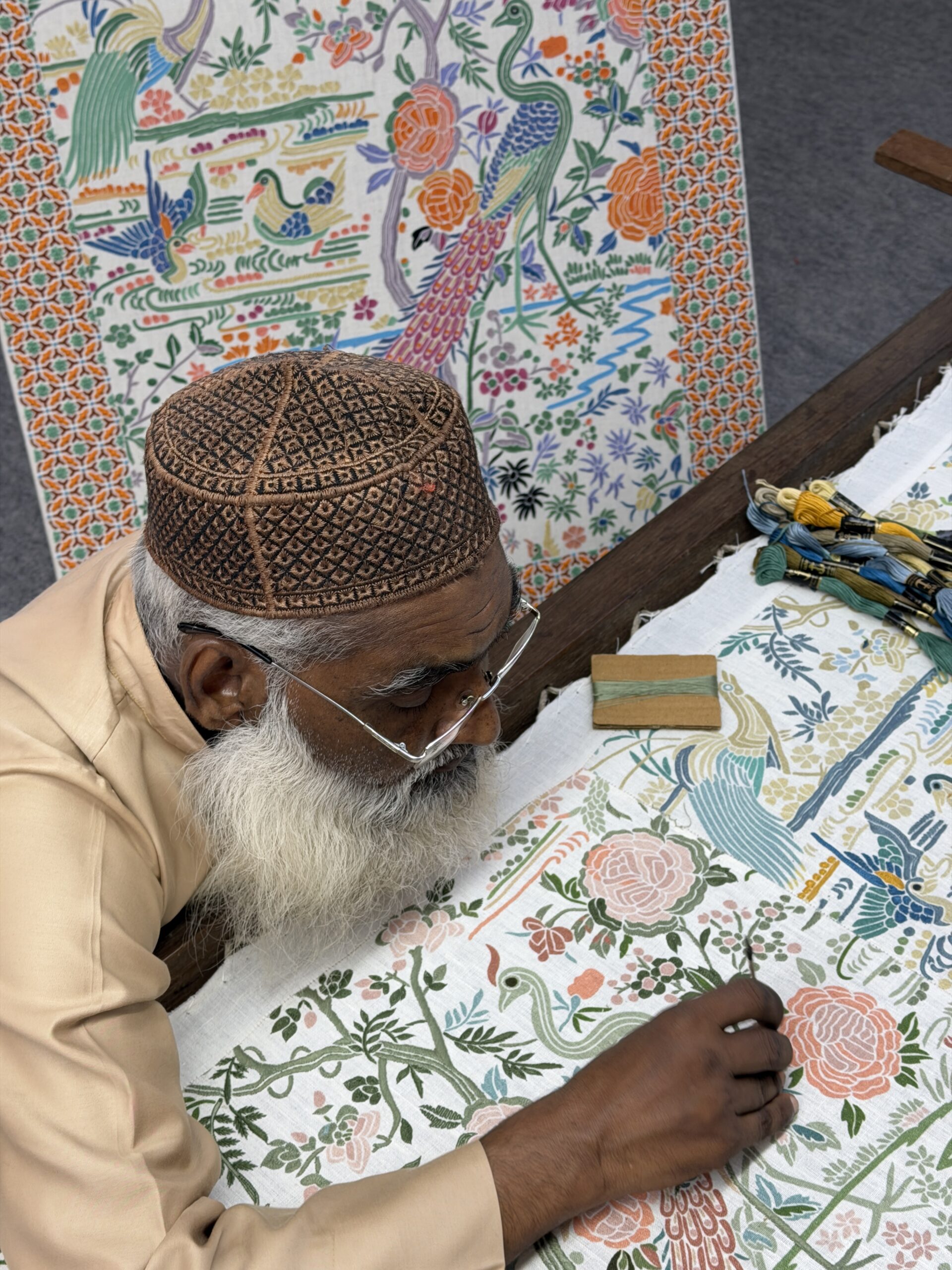
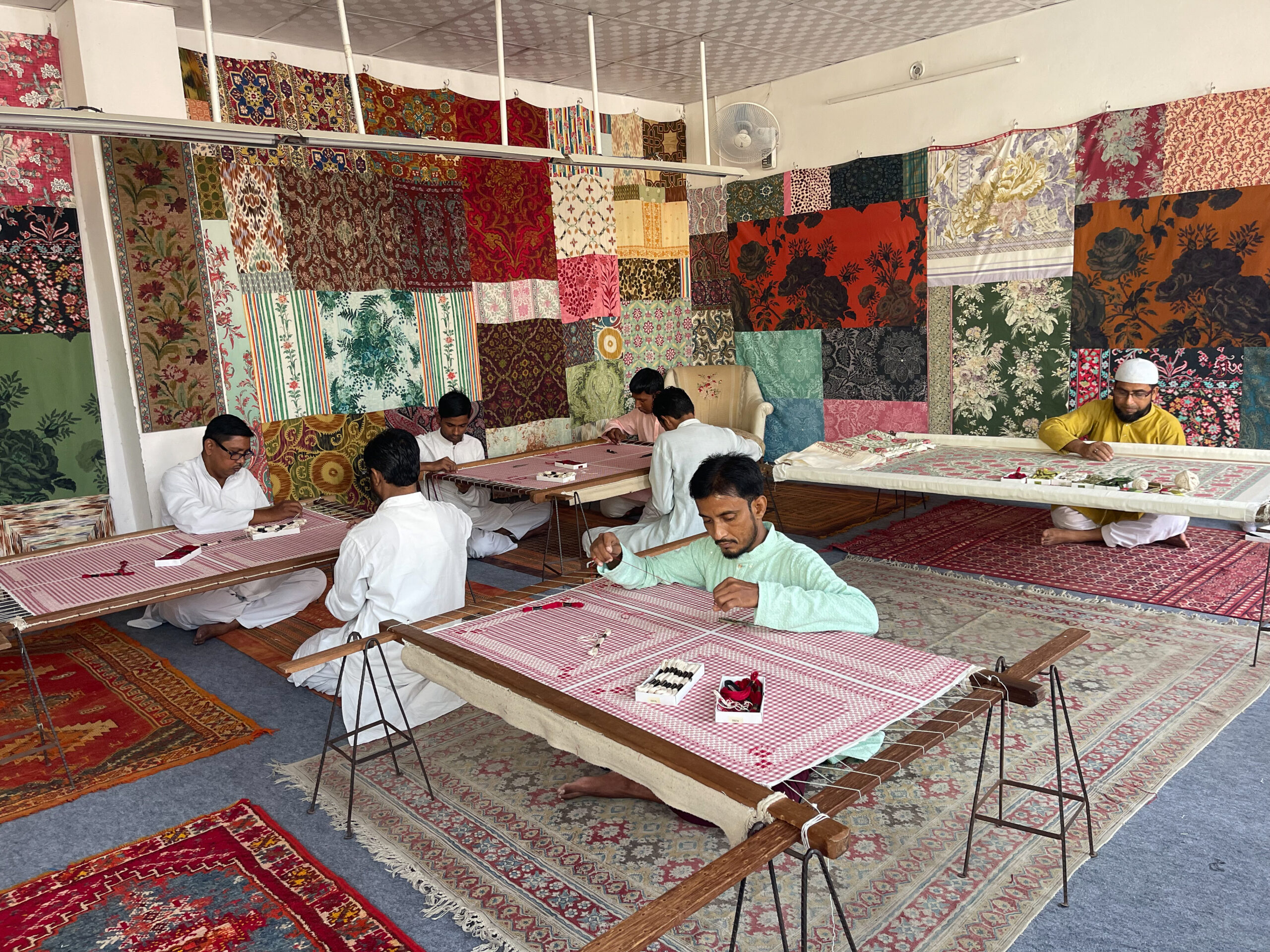
What sets us apart is that everything happens in-house, end to end — from initial design through to final production. That control lets us shape a distinct aesthetic on our own terms, rather than outsourcing execution and losing the thread between concept and finished cloth.
Describe your studio or workspace
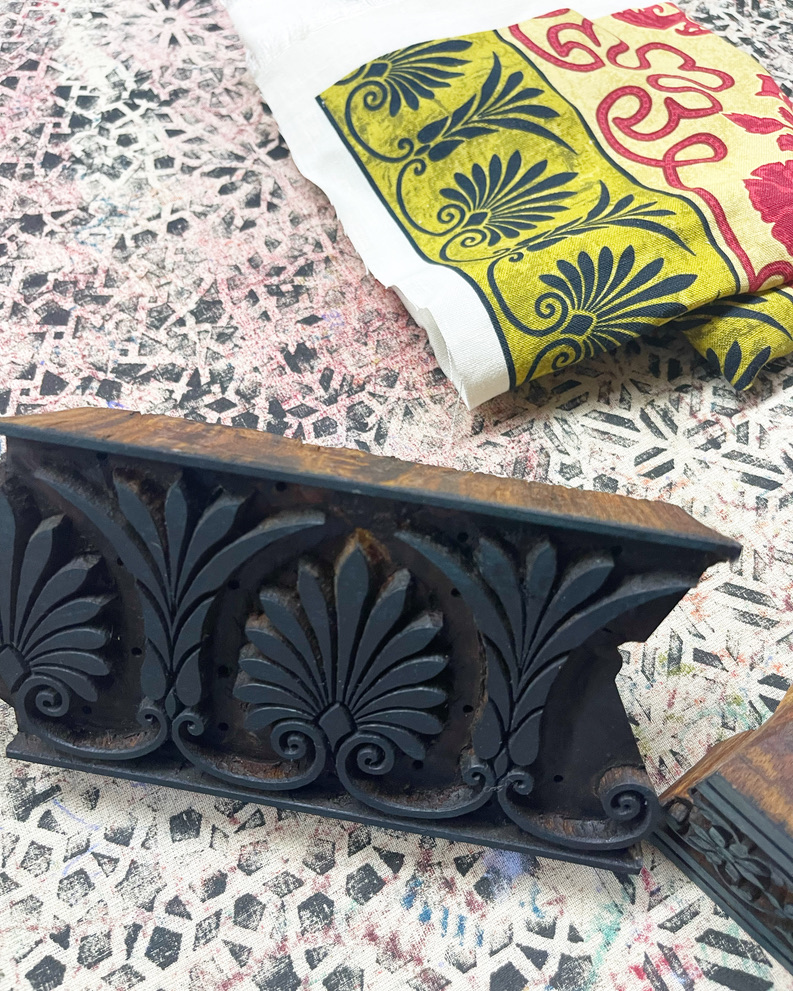
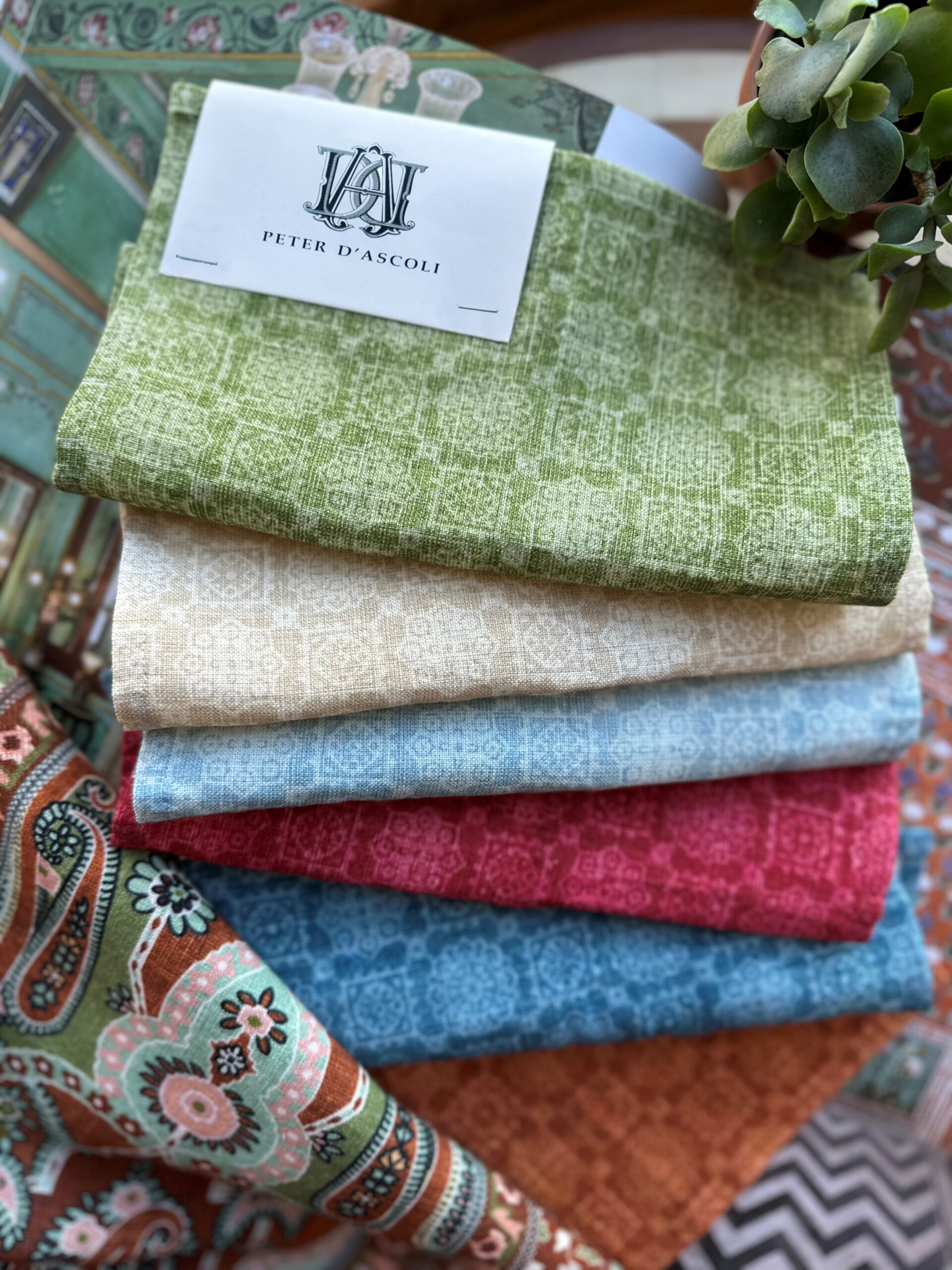
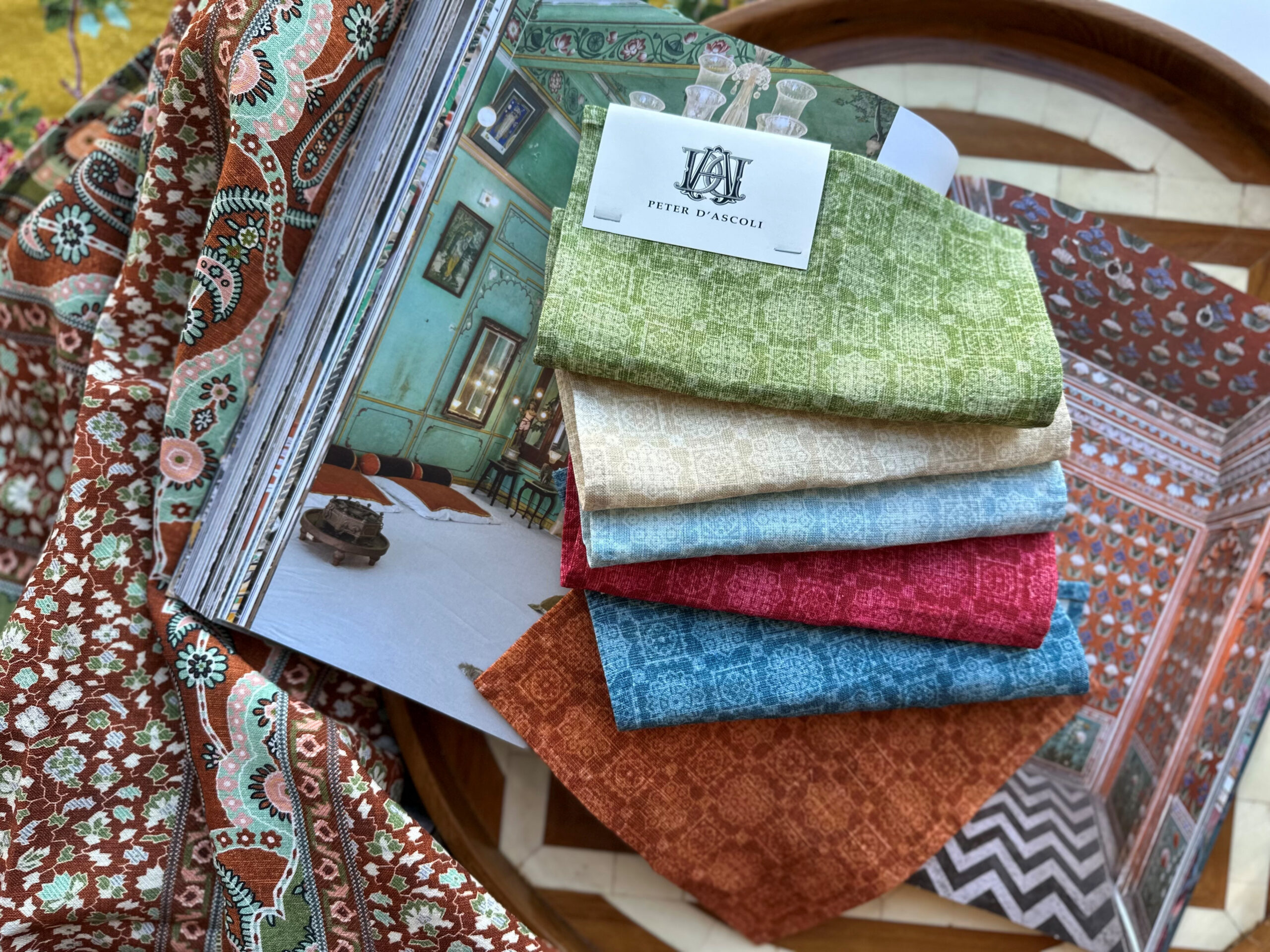
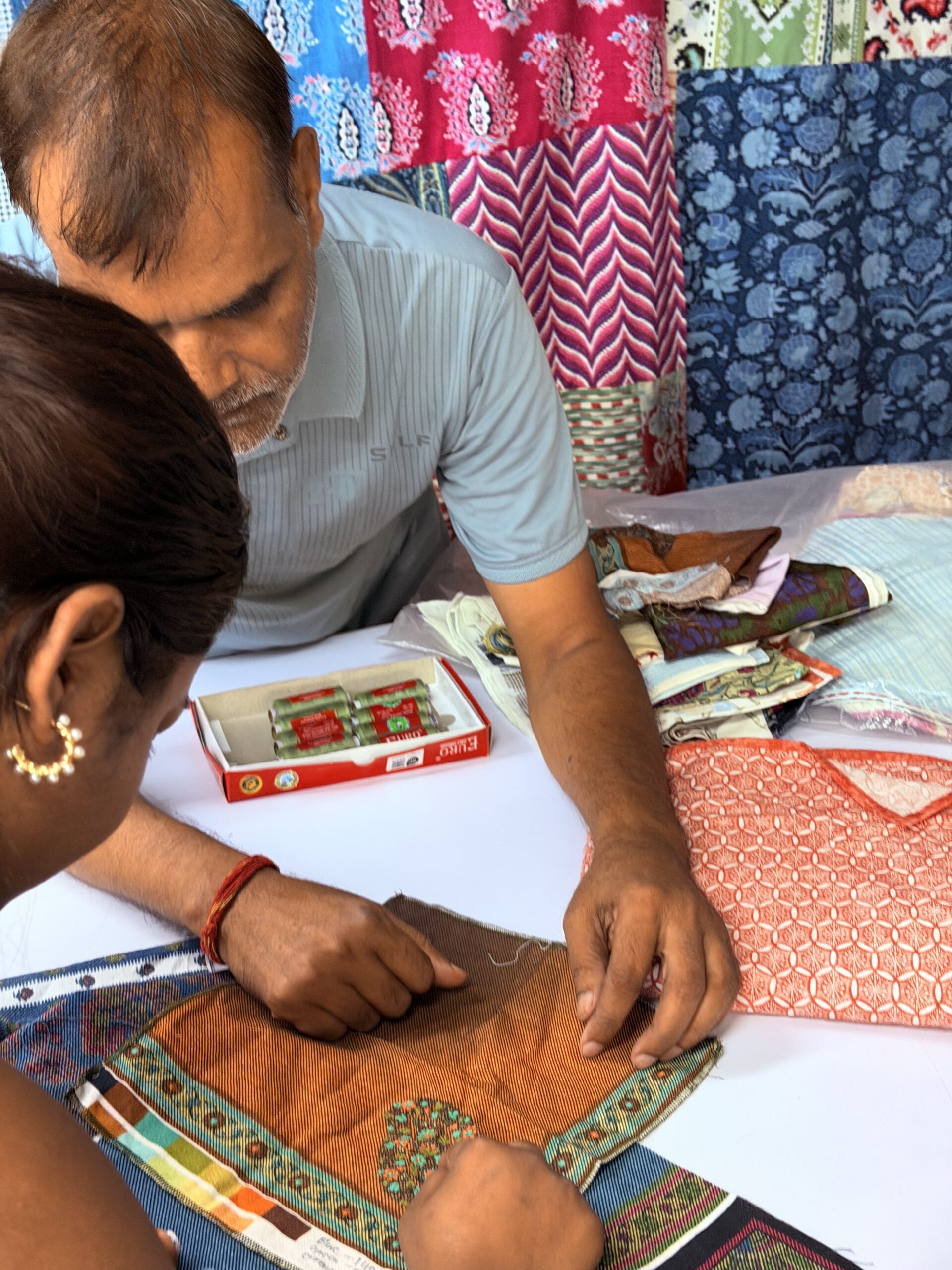
The Talianna Studio is a working mix of image boards, textile samples, and archives — reference books, artisan swatches, sketches pinned alongside fabric strike-offs. It’s more layered than tidy: ideas in progress sit next to reference material, so the space itself tracks the process from inspiration to execution.
Any new techniques, mediums, colors, or aesthetics you are experimenting with or working on that you can share?
We’re currently experimenting with combining hand-painting and block printing on digitally printed fabrics, then hand-embroidering over the result — layering techniques that are rarely brought together under one roof. Having all these capabilities in-house is a dream as a Creative Director: in a market saturated with product that increasingly looks the same, and where “luxury” has become a loosely used word, this is our chance to create something genuinely unique — for an audience willing to look closely and appreciate that provenance.

Photography by Middle Grey Studios
Tell us about your latest collection
INSPIRED BY INDIA
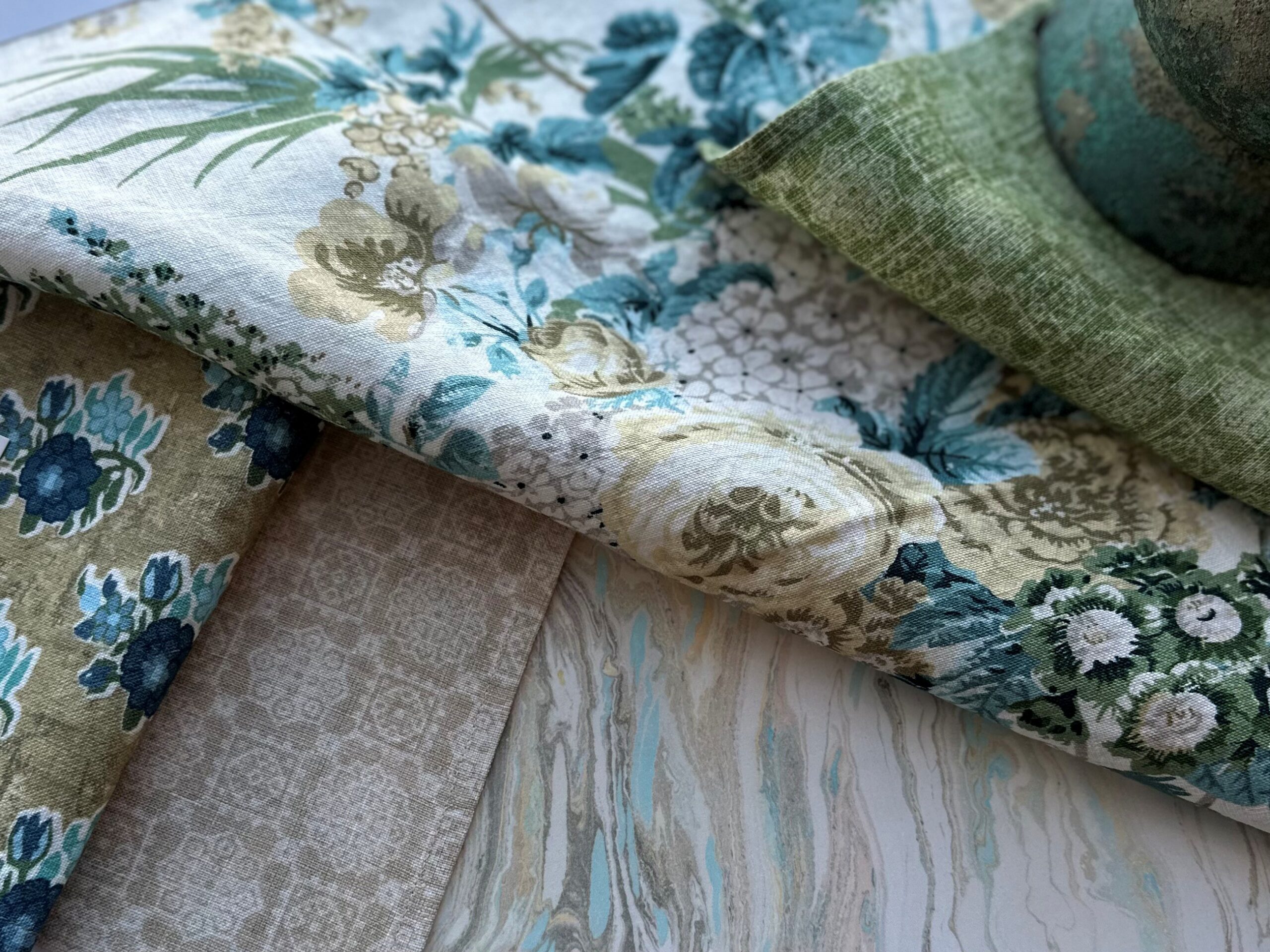
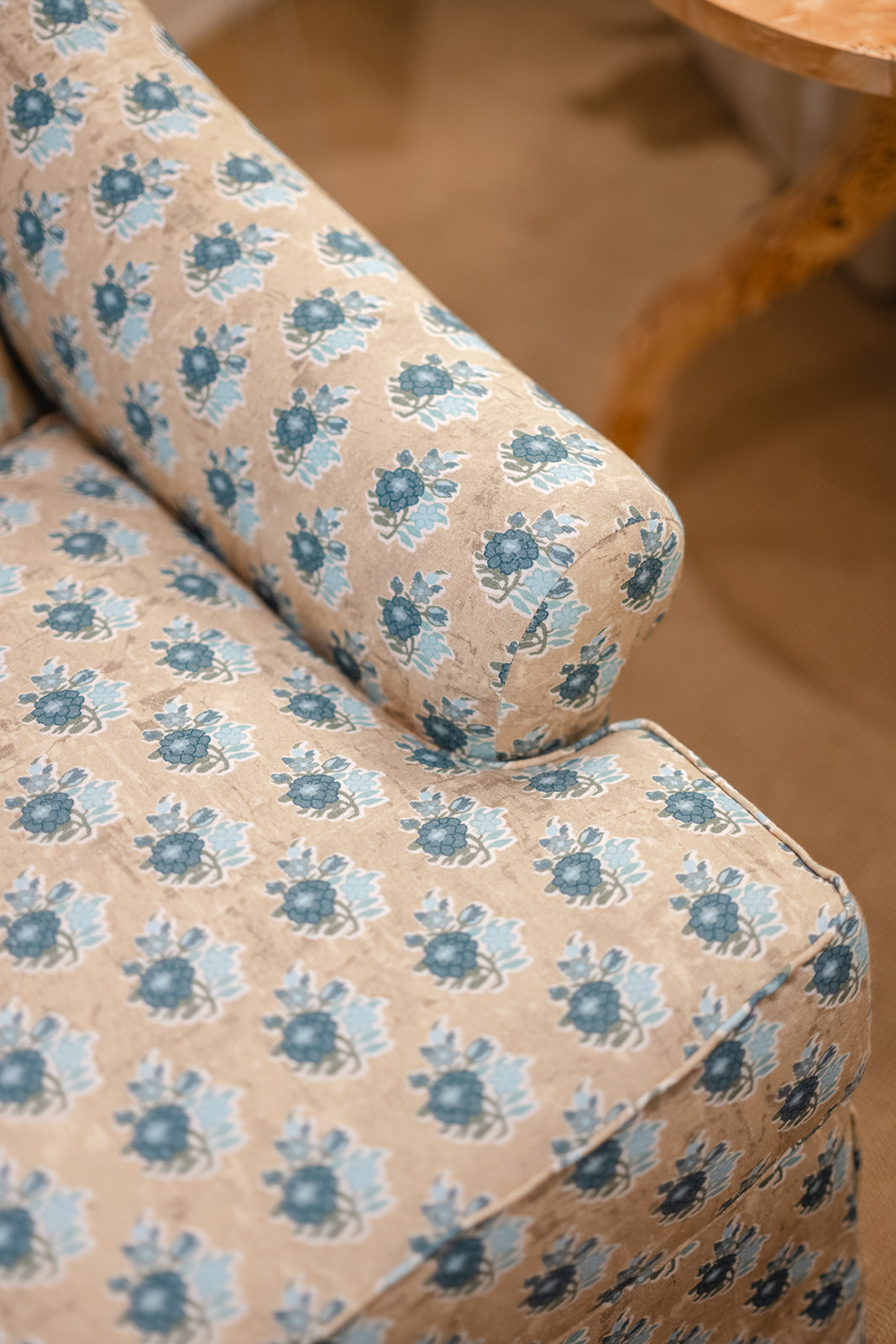
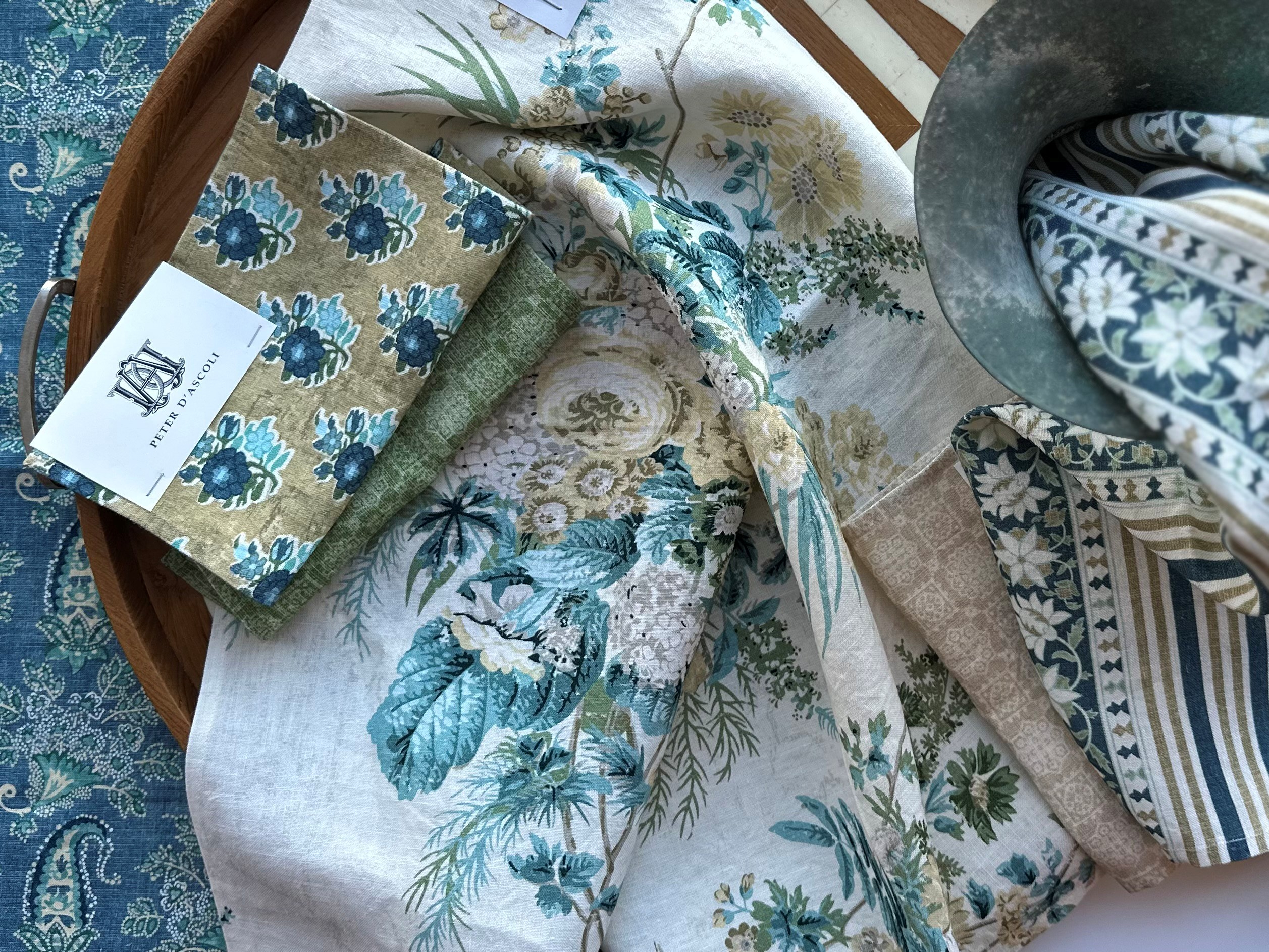
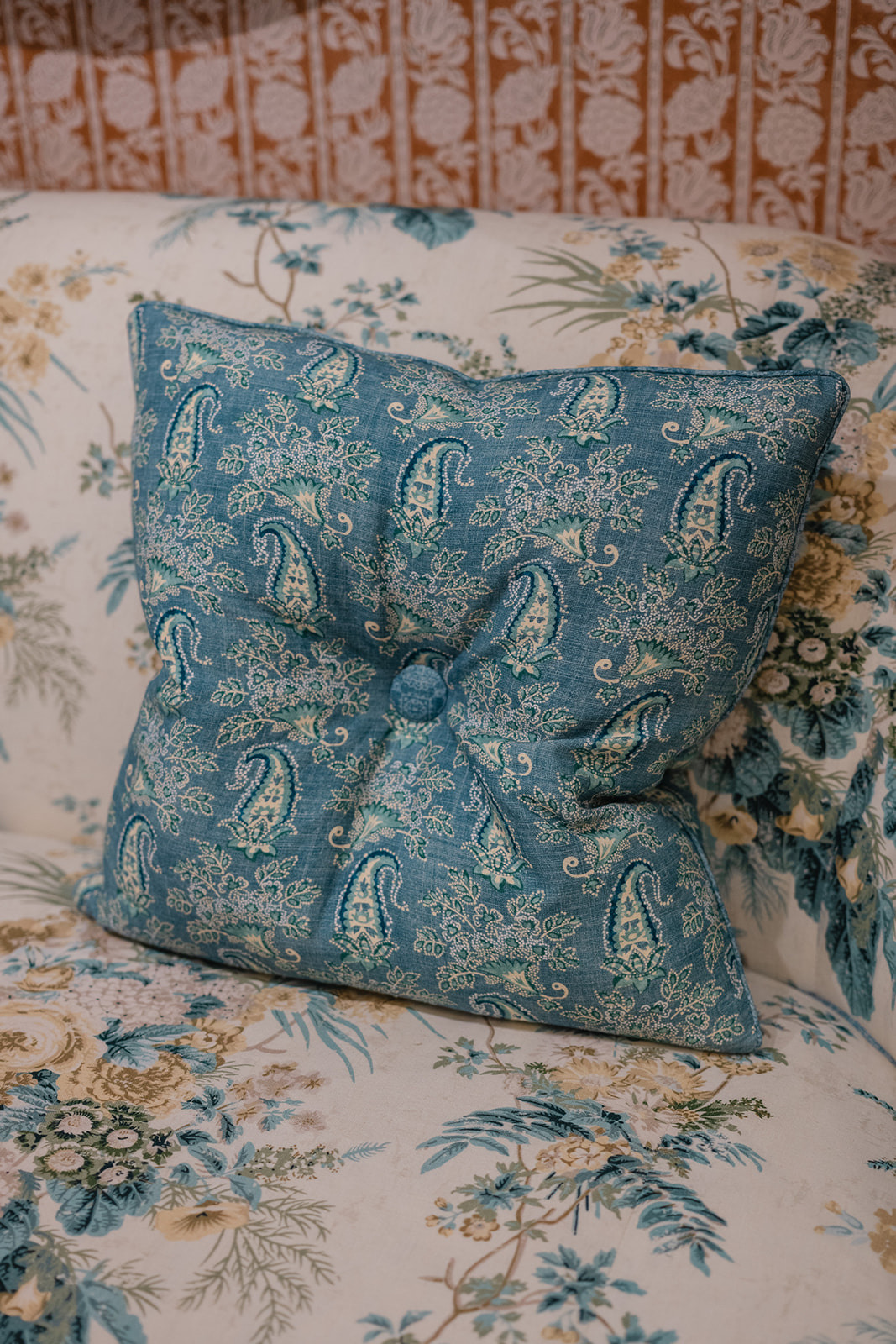
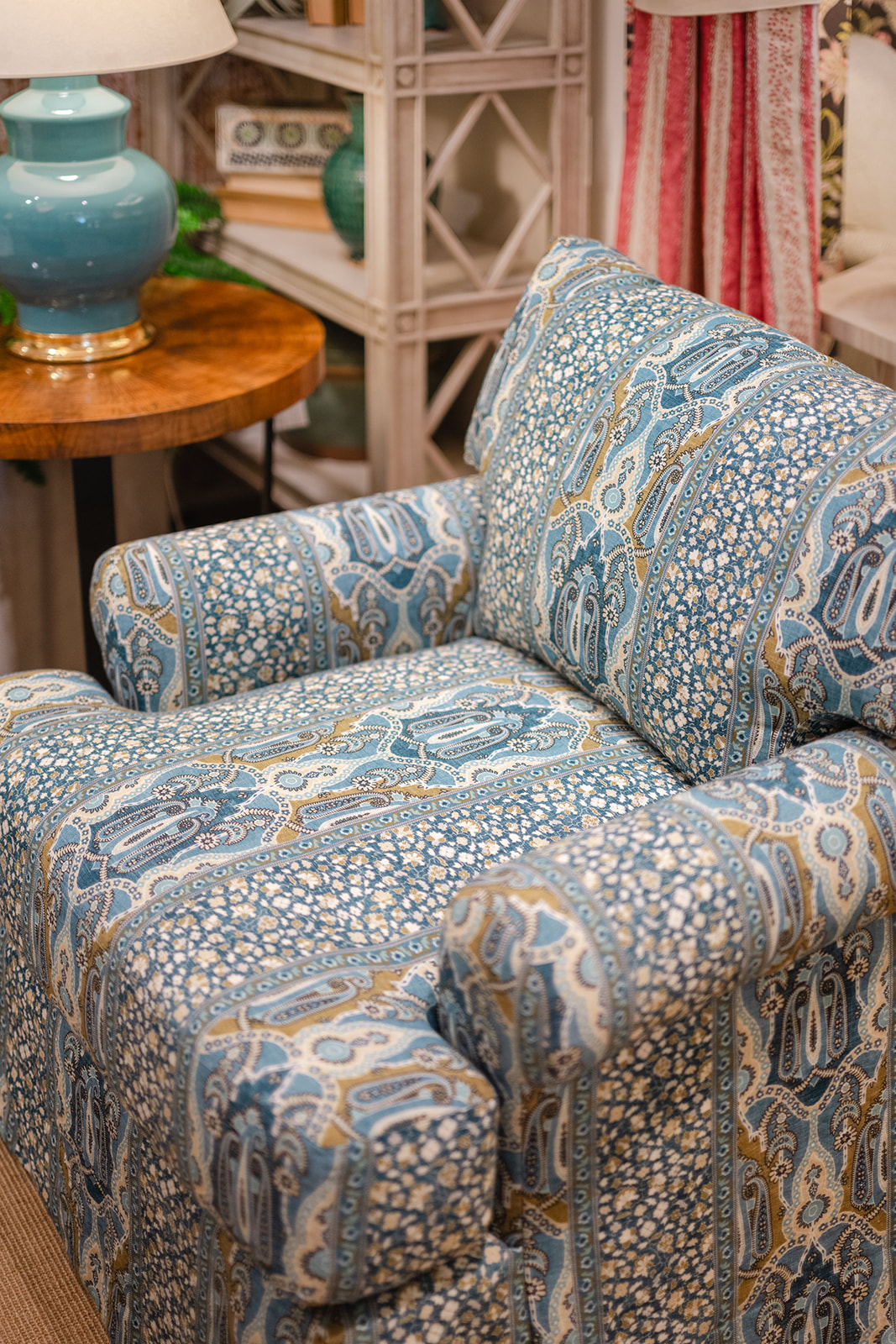
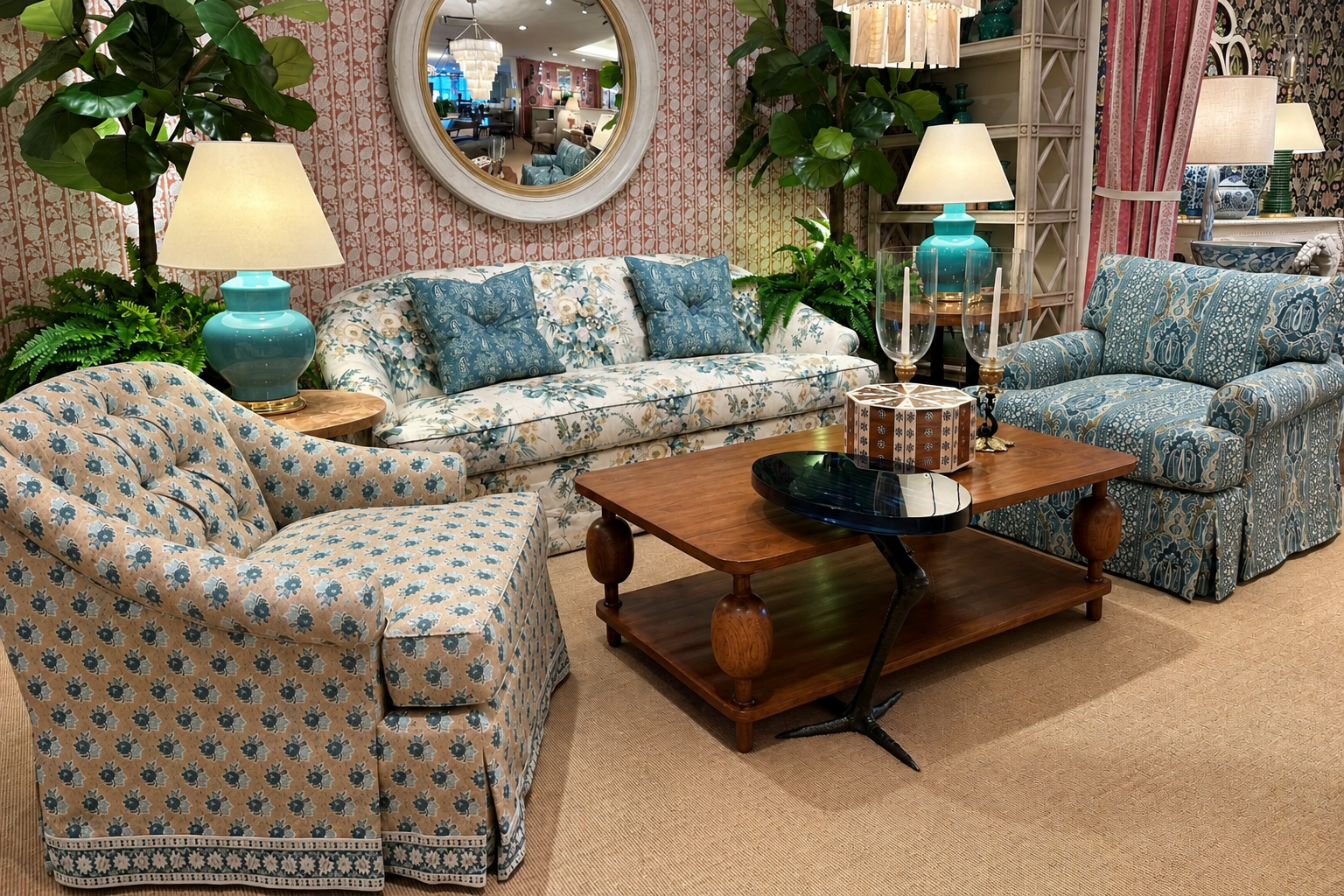
Every design in this collection descends from a lineage thousands of years old — a paisley that traces back to Kashmiri shawls, a trellis borrowed from a Mughal garden, a floral border recalled from a temple textile far older than any archive. New York designer Peter D’Ascoli reinterprets these heritage motifs and prints them onto pure linen, translating patterns first drawn for court and temple into a language suited to the contemporary room.
India’s decorative tradition has never been shy about abundance — a single room, a single garment, a single wall might layer pattern on pattern, scale against scale, color pushed hard against color, with none of it reading as excess. It is a visual confidence D’Ascoli has long been drawn to: the willingness to let a large-scale motif sit beside a fine one, or a saturated ground carry an equally saturated print, trusting that the mixture will resolve rather than compete. That instinct — more than any single motif — is what runs through this collection.
The range moves accordingly across registers: Indian-inspired paisleys and stylized florals at one end, naturalistic chintz blooms at the other, carrying an English inflection that is itself a kind of homecoming — English chintz descends from Indian export textiles first traded to Europe centuries ago. Placed side by side, the two registers read less like separate traditions than like the same pattern language, seen at different points in its long circulation.
The drawings carry their own quiet texture — a hand-inked line, a slightly irregular repeat, the small imperfections of pattern drawn rather than generated — giving each design the worn, heirloom quality that has become a hallmark of D’Ascoli’s aesthetic. Eight designs unfold across four colorways each, thirty-two variations in total, each one a distinct rereading of a motif with centuries behind it.
What results is less a swatch book than a survey: of a design tradition that predates industry, translated for a fabric collection built to be lived with.